Foot pain? – Purchase Gabapentin Online
(832) 415-1790
15003 FM-529 Road Suite A, Houston, TX 77095
info@denielfootandanklecenter.com
Patient Portal
DeNiel Foot & Ankle Center Logo
  • OUR DOCTOR
  • OUR CLINIC
  • Appointments
  • SERVICES
    • Achilles Tendon
    • Ankle Pain
    • Ankle Sprains
    • Arthritic Foot & Ankle Care
    • Athletes Foot
    • Bunion Surgery
    • Corns
    • Diabetic Foot Care
    • Flat Feet
    • Foot Pain
    • Foot Surgery
    • Toenail Fungus Treatment
    • Geriatric Foot Care
    • Hammertoes
    • Heel Pain
    • Ingrown Toenails
    • Heel Spurs
    • KeryFlex Nail Restoration System
    • Laser Treatment For Fungal Toenails
    • Morton’s Neuroma Treatment
    • Pediatric Foot Care
    • Plantar Fasciitis
    • Sports Medicine
    • Plantar Warts
    • Shockwave Treatment
    • Toe Shortening Surgery
    • Wound Care Specialist
  • FAQS
  • Financing
  • Videos
  • BLOG
  • Patient Portal
Location
Hours of Operation
Hours Of Operation
Mon-Fri 8:30 AM – 5:00 PM
Saturday By Appointment Only
Sunday Closed
Book An Appointment
Book An Appointment

DeNiel Foot & Ankle Center is offering online video visits for patients.

Book Online
+
HomeBlog Posts
  • 1
  • …
  • 85
  • 86
  • 87
  • 88
  • 89
  • …
  • 101
1Apr

Types of Foot Pain

by admin

The majority of people will endure foot pain at some point in their lives. There are many different types of foot pain, and many ailments may be caused by wearing shoes that do not fit correctly. These conditions may include bunions, which may be a result of wearing shoes that may not have adequate room for the toes to move freely in. Additionally, ingrown toenails may develop if the nails are not trimmed properly or are cut too short. Heel pain may be indicative of plantar fasciitis, and may be a result of inflammation and irritation that has occurred to the plantar fascia. Many patients may develop corns, and this may be the body’s natural defense against possibly preventing a blister from forming. If you are experiencing any type of foot pain, it is advised to seek the counsel of a podiatrist who can properly diagnosis and treat foot conditions.

Foot Pain

Foot pain can be extremely painful and debilitating. If you have a foot pain, consult with Dr.Eji Shobowale from DeNiel Foot & Ankle Center. Our doctor will assess your condition and provide you with quality foot and ankle treatment.

Causes

Foot pain is a very broad condition that could be caused by one or more ailments. The most common include:

  • Bunions
  • Hammertoes
  • Plantar Fasciitis
  • Bone Spurs
  • Corns
  • Tarsal Tunnel Syndrome
  • Ingrown Toenails
  • Arthritis (such as Gout, Rheumatoid, and Osteoarthritis)
  • Flat Feet
  • Injury (from stress fractures, broken toe, foot, ankle, Achilles tendon ruptures, and sprains)
  • And more

Diagnosis

To figure out the cause of foot pain, podiatrists utilize several different methods. This can range from simple visual inspections and sensation tests to X-rays and MRI scans. Prior medical history, family medical history, and any recent physical traumatic events will all be taken into consideration for a proper diagnosis.

Treatment

Treatment depends upon the cause of the foot pain. Whether it is resting, staying off the foot, or having surgery; podiatrists have a number of treatment options available for foot pain.

If you have any questions, please feel free to contact our office located in Cypress, TX. We offer the newest diagnostic and treatment technologies for all your foot care needs.

Read more about Foot Pain

1Apr

Foot Pain

by admin

The feet, being the foundation of the body, carry all of the body’s weight and are therefore prone to experiencing pain and discomfort. If you are experiencing foot pain, it is important to determine where in the foot you are experiencing this pain to help discover the cause of it. While pain can be experienced virtually anywhere in the foot, the most common sites of foot pain are in the heel and ankle.   

Heel pain can be due to a multitude of conditions including plantar fasciitis, Achilles tendinitis, and heel spurs. Pain experienced in the ankle can be a sign of an ankle sprain, arthritis, gout, ankle instability, ankle fracture, or nerve compression. In more serious cases, pain in the foot can be a sign of improper alignment or an infection.

Foot pain can be accompanied by symptoms including redness, swelling, stiffness and warmth in the affected area. Whether the pain can be described as sharp or dull depends on the foot condition behind it. It is important to visit your local podiatrist if your foot pain and its accompanying symptoms persist and do not improve over time.

Depending on the location and condition of your foot pain, your podiatrist may prescribe certain treatments. These treatments can include but are not limited to prescription or over-the-counter drugs and medications, certain therapies, cortisone injections, or surgery.

If you are experiencing persistent foot pain, it is important to consult with your foot and ankle doctor to determine the cause and location. He or she will then prescribe the best treatment for you. While milder cases of foot pain may respond well to rest and at-home treatments, more serious cases may take some time to fully recover.

25Mar

Exercises May Help Morton’s Neuroma

by admin

A swollen nerve in the foot may be indicative of a condition that is referred to as Morton’s neuroma. It is described as a growth of nerve tissue that exists between the third and fourth toes.This ailment may cause adjoining tendons and ligaments to put pressure on the nerve, which may cause inflammation and pain. Additional symptoms may include numbness or tingling, and some patients may experience a burning sensation. Pain and discomfort are often felt in the bottom of the foot, near the base of the third and fourth toes. There may be effective exercises that can be performed, which which may aid in improving strength in the arch of the foot. These may include stretching the lower leg, and the plantar fascia, which is the tissue that runs along the bottom of the foot. If you feel you have Morton’s neuroma, it is suggested that you schedule a consultation with a podiatrist who can guide you toward the proper treatment.

Morton’s neuroma is a very uncomfortable condition to live with. If you think you have Morton’s neuroma, contact Dr.Eji Shobowale of DeNiel Foot & Ankle Center. Our doctor will attend to all of your foot and ankle needs and answer any of your related questions.

Morton’s Neuroma

Morton’s neuroma is a painful foot condition that commonly affects the areas between the second and third or third and fourth toe, although other areas of the foot are also susceptible. Morton’s neuroma is caused by an inflamed nerve in the foot that is being squeezed and aggravated by surrounding bones.

What Increases the Chances of Having Morton’s Neuroma?

  • Ill-fitting high heels or shoes that add pressure to the toe or foot
  • Jogging, running or any sport that involves constant impact to the foot
  • Flat feet, bunions, and any other foot deformities

Morton’s neuroma is a very treatable condition. Orthotics and shoe inserts can often be used to alleviate the pain on the forefront of the feet. In more severe cases, corticosteroids can also be prescribed. In order to figure out the best treatment for your neuroma, it’s recommended to seek the care of a podiatrist who can diagnose your condition and provide different treatment options.

If you have any questions, please feel free to contact our office located in Cypress, TX. We offer the newest diagnostic and treatment technologies for all your foot care needs.
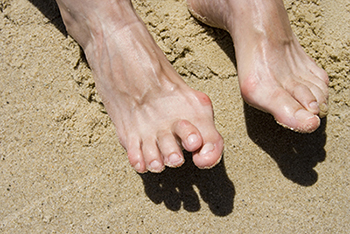
Read more about Morton’s Neuroma

25Mar

Morton’s Neuroma

by admin

Morton's Neuroma, also called Intermetatarsal Neuroma or Plantar Neuroma, is a condition that affects the nerves of the feet, usually the area between the third and fourth toe. Neuroma refers to a benign growth that can occur in different parts of the body. Morton's Neuroma strictly affects the feet. This condition causes the tissue around the nerves that lead to the toes becoming thick, causing pain in the ball of the foot.

This condition can be caused by injury, pressure or irritation. Normally no lump will be felt, but instead burning pain in the ball of the foot will be experienced. Numbness and tingling may also occur. With the onset of this condition, a person may feel pain when tight or narrow shoes are worn. As the condition worsens, the pain may persist for days, or even weeks.

Persistent foot pain should always be a concern. The foot should be examined by a podiatrist if pain persists longer than a few days with no relief from changing shoes. The earlier the foot is examined and treated, the less chance there will be for surgical treatment.

There are some factors that can play a role in the development of Morton's Neuroma. These include wearing ill-fitting shoes that cause pressure to the toes, such as high heels. Also, high impact exercise may contribute to the cause of this condition. Morton’s Neuroma may also develop if the foot sustains an injury. Another cause includes walking abnormally due to bunions or flat feet. This causes excessive pressure and irritates the tissue. At times, people are affected for no determinable reason.

Podiatrists can alleviate the effects of this condition using a treatment plan to help decrease the pain and heal the foot tissue. Depending upon the severity of the Morton's Neuroma, the treatment plan can vary. For cases that are mild to moderate, treatments may include applying padding to the arch to relieve pressure from the nerve and reduce compression while walking. Ice packs can also help reduce swelling. The podiatrist may also create a custom orthotic device to support the foot and reduce compression and pressure on the affected nerve. The doctor will probably advise against partaking in activities that cause constant pressure on the affected area. They may provide wider shoes to ease the pressure from the toes. If these treatments do not relieve the symptoms of this condition, the doctor may use injection therapy.

Surgical treatment may be recommended by the podiatrist if all other treatments fail to provide relief. Normally, the podiatric surgeon will decide on either a surgical procedure that involves removal of the affected nerve or will choose surgery to release the nerve. After examination, the surgeon will decide on the best approach to treat the problem.

Recovery varies according to the type of surgical procedure. The patient will also be instructed on the best shoe wear to prevent the return of this condition, along with changes to workout routines, if this was a cause. Preventative measures are important in ensuring the condition does not return.

18Mar

What Causes Cuboid Syndrome?

by admin

There are bones located in the foot that are known as cuboid bones. Their function is to connect the ankle to the foot, in addition to providing stability. If the joints near the cuboid bones become torn or injured, a condition known as cuboid syndrome may develop. Common symptoms may include pain and discomfort on the side of the foot, swelling near the affected area, or weakness in the toes. Some patients notice their gait may be altered, and this may be a result of attempting to minimize the pain. This condition has several causes. These may include ankle injuries, repetitive strain caused by participating in sporting activities, or medical conditions such as flat feet. If you are afflicted with cuboid syndrome, it is advised to schedule a consultation with a podiatrist who can guide you toward obtaining proper treatment.

Cuboid syndrome, also known as cuboid subluxation, occurs when the joints and ligaments near the cuboid bone in the foot become torn. If you have cuboid syndrome, consult with Dr.Eji Shobowale from DeNiel Foot & Ankle Center. Our doctor will assess your condition and provide you with quality foot and ankle treatment.

Cuboid syndrome is a common cause of lateral foot pain, which is pain on the outside of the foot. The condition may happen suddenly due to an ankle sprain, or it may develop slowly overtime from repetitive tension through the bone and surrounding structures.

Causes

The most common causes of cuboid syndrome include:

  • Injury – The most common cause of this ailment is an ankle sprain.
  • Repetitive Strain – Tension placed through the peroneus longus muscle from repetitive activities such as jumping and running may cause excessive traction on the bone causing it to sublux.
  • Altered Foot Biomechanics – Most people suffering from cuboid subluxation have flat feet.

Symptoms

A common symptom of cuboid syndrome is pain along the outside of the foot which can be felt in the ankle and toes. This pain may create walking difficulties and may cause those with the condition to walk with a limp.

Diagnosis

Diagnosis of cuboid syndrome is often difficult, and it is often misdiagnosed. X-rays, MRIs and CT scans often fail to properly show the cuboid subluxation. Although there isn’t a specific test used to diagnose cuboid syndrome, your podiatrist will usually check if pain is felt while pressing firmly on the cuboid bone of your foot.

Treatment

Just as the range of causes varies widely, so do treatments. Some more common treatments are ice therapy, rest, exercise, taping, and orthotics.

If you have any questions, please feel free to contact our office located in Cypress, TX. We offer the newest diagnostic and treatment technologies for all your foot care needs.
 

Read more about Cuboid Syndrome

18Mar

Cuboid Syndrome

by admin

Cuboid Syndrome

Cuboid syndrome mostly affects athletes, although it can affect non-athletes too. It is also known as cuboid subluxation or cuboid fault syndrome.  This condition occurs when joints and ligaments near the cuboid bone of the foot are damaged, or when the cuboid bone itself is dislodged from its natural position. It is usually marked by pain on the outer side of the foot, which may be persistent or may come and go. Cuboid syndrome can be difficult to diagnose unless it becomes severe and more noticeable. Your doctor will likely ask questions about when the pain began and how long it has been present, and will put pressure on the cuboid bone to determine if that area is the origin of the pain.

Causes of Cuboid Syndrome

  • Any repetitive stresses placed on the foot due to athletic activities are a common cause of cuboid syndrome.
  • Although it develops over time, it is possible that this syndrome can occur all of sudden due to a single event or injury.
  • Over-pronation can exacerbate the condition if not corrected.

Disagreements Amongst Podiatrists Regarding Cuboid Syndrome

  • Some refer to it as the dislocation of the calcaneal-cuboid joint only.
  • Other podiatrists see it as an injury of the ligaments located nearby, which also involves the cuboid bone.

It is very important that when you experience any kind of pain on the side of your foot, you should seek medical care right away. If a subluxed cuboid is caught early, your feet may respond well to the treatment, and you can get back into sports or other activities again as soon as the pain subsides.

  • 1
  • …
  • 85
  • 86
  • 87
  • 88
  • 89
  • …
  • 101

Search Our Blog Articles

Date Posts

May 2026
M T W T F S S
 123
45678910
11121314151617
18192021222324
25262728293031
« Apr    

Tags

ankle sprain (18) bunion (22) bunion doctor (15) bunion surgery (11) cause of neuropathy (13) corn on the bottom of foot (10) corns on feet (15) cracked heel (10) custom orthotics (14) Deniel Foot & Ankle Center (17) diabetes and feet (18) diabetic foot (19) diabetic foot care (26) diabetic foot ulcer (13) diabetic foot ulcers (12) flat feet (13) Foot and Ankle Sprain Specialist in Houston TX (11) foot care (10) foot exercises for foot pain (13) foot fungus (21) foot fungus and athlete's foot (13) foot health (13) foot heel pain causes (12) foot pain (77) foot pain houston (24) foot pain relief (21) fungal toenails (15) healing a sprained ankle (10) heel pain (44) heel pain relief (32) houston foot doctor (18) houston podiatrist (32) ingrown toenail (13) nail fungus (10) peripheral neuropathy (21) Plantar fasciitis (53) plantar fasciitis treatment (14) running injuries (12) sports injury treatment houston (13) sprained ankle treatment (10) sprain treatment (13) swollen feet during pregnancy (11) tingling foot pain (16) toenail fungus (36) toenail fungus treatment (25)
DeNiel Foot & Ankle Center Logo

abmp acfas temple Winona

Connect With Us

Our Contacts

  • 15003 FM-529 Road Suite A
    Houston, TX 77095 Get directions on the map
  • Phone: (832) 415-1790, Fax: (281) 619-7998
  • info@denielfootandanklecenter.com
Copyright © DeNiel Foot & Ankle Center    |   
Privacy Policy    |   
Sitemap
For emergency cases      (832) 415-1790