Foot pain? – Purchase Gabapentin Online
(832) 415-1790
15003 FM-529 Road Suite A, Houston, TX 77095
info@denielfootandanklecenter.com
Patient Portal
DeNiel Foot & Ankle Center Logo
  • OUR DOCTOR
  • OUR CLINIC
  • Appointments
  • SERVICES
    • Achilles Tendon
    • Ankle Pain
    • Ankle Sprains
    • Arthritic Foot & Ankle Care
    • Athletes Foot
    • Bunion Surgery
    • Corns
    • Diabetic Foot Care
    • Flat Feet
    • Foot Pain
    • Foot Surgery
    • Toenail Fungus Treatment
    • Geriatric Foot Care
    • Hammertoes
    • Heel Pain
    • Ingrown Toenails
    • Heel Spurs
    • KeryFlex Nail Restoration System
    • Laser Treatment For Fungal Toenails
    • Morton’s Neuroma Treatment
    • Pediatric Foot Care
    • Plantar Fasciitis
    • Sports Medicine
    • Plantar Warts
    • Shockwave Treatment
    • Toe Shortening Surgery
    • Wound Care Specialist
  • FAQS
  • Financing
  • Videos
  • BLOG
  • Patient Portal
Location
Hours of Operation
Hours Of Operation
Mon-Fri 8:30 AM – 5:00 PM
Saturday By Appointment Only
Sunday Closed
Book An Appointment
Book An Appointment

DeNiel Foot & Ankle Center is offering online video visits for patients.

Book Online
+
HomeBlog Posts
  • 1
  • …
  • 87
  • 88
  • 89
  • 90
  • 91
  • …
  • 101
18Feb

Solutions for Cracked Heels

by admin

Cracked heels can make life very frustrating and embarrassing when displaying the bare feet. Aside from being unpleasing to the eye, they can also tear stockings and socks and wear out shoes at a faster rate. When severe, cracked heels may cause pain or infection.

Cracked heels are a problem for those who are athletic, those who may walk a lot, and those who have especially dry skin. Those who use medication that dry the skin, those who swim often, wearing certain types of shoes, and those who are diabetic may have trouble with cracked heels. Seniors whose skin produces less oil may also have trouble with cracked feet. There is no one way to develop cracked feet, and there is no cure.

Today, the market consists of numerous products that have a variety of ingredients to promote healing. Some of these are over-the-counter. Others are prescribed by a doctor, especially for those who have chronic dry feet and heels.

Some doctors recommend wearing socks at night for those with rough skin. This helps further healing, and helps creams stay on longer and better absorb into the skin.

One way to alleviate dryness that causes cracked heels is by using moisturizers both day and night. Another way is to make sure the skin is clean and dry at all times. Using a pumice stone to buff away dead skin before putting on moisturizer can also help. Cracked heels will not respond to the cream unless the outer layer of skin is first removed through exfoliation. After exfoliation, lotion or ointment will be absorbed by the skin more easily.

Foods that produce healing and balance can also help the skin from within. Everything that is put into the body can either help it or hurt it. Taking supplements of omega-3 fatty acids and zinc can also be very beneficial.

Nevertheless, not all products are guaranteed to help treat cracked feet. Seeing a professional is best if other treatments options were unsuccessful. A podiatrist should be able to give the best advice to help with this problem.

11Feb

Wearing Proper Footwear May Avoid Certain Foot Conditions

by admin

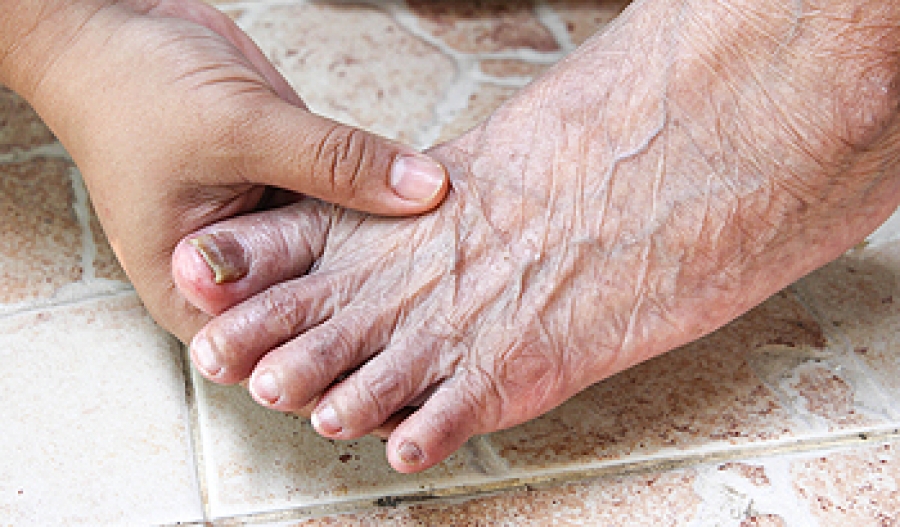
The elder population may experience foot conditions as the aging process occurs. It is common for the feet to lose cushioning, and the skin and nails may become brittle and dry. Any foot sores that may be present may heal slowly as a result of poor circulation. Many patients experience corns and calluses, and research has indicated that if proper shoes are worn, these conditions may be avoided. Elderly people may suffer from ingrown toenails, which may often be caused by trimming the toenails improperly. If diabetes is a concern, proper care must be taken to ensure the feet are kept clean and dry. If there are sores or cuts present, it is suggested to seek the counsel of a podiatrist who can properly treat this condition, and offer guidance on how to properly take care of elderly feet.

Proper foot care is something many older adults forget to consider. If you have any concerns about your feet and ankles, contact Dr.Eji Shobowale from DeNiel Foot & Ankle Center. Our doctor can provide the care you need to keep you pain-free and on your feet.

The Elderly and Their Feet

As we age we start to notice many changes in our body, but the elder population may not notice them right away. Medical conditions may prevent the elderly to take notice of their foot health right away. Poor vision is a lead contributor to not taking action for the elderly.

Common Conditions 

  • Neuropathy – can reduce feeling in the feet and can hide many life-threatening medical conditions.
  • Reduced flexibility – prevents the ability of proper toenail trimming, and foot cleaning. If left untreated, it may lead to further medical issues.
  • Foot sores – amongst the older population can be serious before they are discovered. Some of the problematic conditions they may face are:
  • Gouging toenails affecting nearby toe
  • Shoes that don’t fit properly
  • Pressure sores
  • Loss of circulation in legs & feet
  • Edema & swelling of feet and ankles

Susceptible Infections

Diabetes and poor circulation can cause general loss of sensitivity over the years, turning a simple cut into a serious issue.

If you have any questions please feel free to contact our office located in Cypress, TX. We offer the newest diagnostic and treatment technologies for all your foot and ankle needs.

Read more about Elderly Foot Care

11Feb

Elderly Foot Care

by admin

As you grow older, you will start to notice more problems with your feet due to wear and tear. This may also happen because the skin will start to become thin and lose elasticity. Some signs of aging feet are regular aches and pains, bunion development, and clawed toes.

Fortunately, there are ways you can improve comfort, relieve pain, and maintain mobility in your feet. One of the best ways to deal with aging feet is to exercise. If you keep active, your muscles will become toned which will then strengthen the arches in the foot and stimulate blood circulation.

It is important that you practice proper foot care to protect your aging feet. You should wash your feet in warm water on an everyday basis. Afterward, the feet need to be dried well and it is important to dry between the toes. Your toenails should be trimmed and kept under control; nails that are poorly cut may become ingrown. At the end of each day, performing an inspection of your feet will allow you to detect any ailments in their early stages.

As you grow older, it becomes more important that you wear comfortable shoes. Your shoes should be secure, and they should provide decent arch support. If you are looking to buy a new pair of shoes, it is best to look for a pair that are made from a breathable material. It is also helpful to have shoes that have a bit of extra room at the top of the shoe, especially if you suffer from swollen feet.

The most common foot problems that elderly people will encounter are bunions, calluses, corns, hammertoes, heel pain, and foot problems related to diabetes. Some other issues include arch pain, tarsal tunnel syndrome, Achilles tendonitis, and Morton’s neuroma

An annual foot examination is a great way for you to ensure that you do not have any serious health problems with your feet. You should talk to a podiatrist about the available treatment options for whichever foot issue you are dealing with.

4Feb

Methods That May Aid in Falls Prevention

by admin

Research has shown that 33% of elderly people will fall this year, and many are reluctant to discuss it with their physicians. It’s important to take measures which can possibly prevent falling, and this may be beneficial in avoiding painful fractures. Additionally, after a fall has occurred, many seniors may not be willing to perform certain activities, and this may possibly be a result of a fear of falling that has developed. When specific measures are implemented, the risk of falling may be diminished. These may include removing any clutter that may be present in the home, installing grab bars in the shower and bathroom area, and removing any loose carpeting. Additionally, having proper lighting may aid in the prevention of falls. If you have fallen and have injured your feet or ankles, please speak to a podiatrist who can determine what the best course of treatment is for you.

Preventing falls among the elderly is very important. If you are older and have fallen or fear that you are prone to falling, consult with Dr.Eji Shobowale from DeNiel Foot & Ankle Center. Our doctor will assess your condition and provide you with quality advice and care.

Every 11 seconds, an elderly American is being treated in an emergency room for a fall related injury. Falls are the leading cause of head and hip injuries for those 65 and older. Due to decreases in strength, balance, senses, and lack of awareness, elderly persons are very susceptible to falling. Thankfully, there are a number of things older persons can do to prevent falls.

How to Prevent Falls

Some effective methods that older persons can do to prevent falls include:

  • Enrolling in strength and balance exercise program to increase balance and strength
  • Periodically having your sight and hearing checked
  • Discuss any medications you have with a doctor to see if it increases the risk of falling
  • Clearing the house of falling hazards and installing devices like grab bars and railings
  • Utilizing a walker or cane
  • Wearing shoes that provide good support and cushioning
  • Talking to family members about falling and increasing awareness

Falling can be a traumatic and embarrassing experience for elderly persons; this can make them less willing to leave the house, and less willing to talk to someone about their fears of falling. Doing such things, however, will increase the likelihood of tripping or losing one’s balance. Knowing the causes of falling and how to prevent them is the best way to mitigate the risk of serious injury.

If you have any questions, please feel free to contact our office located in Cypress, TX. We offer the newest diagnostic and treatment technologies for all your foot care needs.

Read more about Falls Prevention

4Feb

Falls Prevention

by admin

Elderly Americans are very susceptible to falls as they get older. Everyone experiences decreases in flexibility, balance, strength, and the senses as they age. This correlates to some eye-opening statistics. 1 in 4 Americans aged 65 and older fall each year. An elderly American is being treated for a fall in an emergency room every 11 seconds, and every 19 minutes, an older person dies from falling. In light of these striking statistics, one can see the importance of taking steps to prevent falls.

Finding an exercise program for the elderly is an excellent way to reduce the likelihood of falls. Look for an exercise program that improves strength and balance. Elderly people who live a more sedentary lifestyle, with little physical activity, are at an increased risk of falling. Wearing well-fitted footwear that provides good foot support and cushion will help prevent falls from poorly fitted shoes. Talking to a podiatrist about your susceptibility to falls and about inspecting your prescriptions will help to avoid any medication that could make falls more likely. Due to a decline in the senses among the elderly, having your eyes and hearing checked is recommended.

Around half of all falls occur in the household. Removing tripping hazards in the home and making it more accommodating to older persons can significantly reduce falls. Some notable household changes include increasing lighting around the house, installing grab bars in the shower and bathroom, and making sure the floor is clear of clutter. Other smart options include installing a shower chair, using rubber-bottomed rugs, and placing railings on both sides of stairwells.

Finally, discuss with a doctor and your family about your fear of falling. This will help to increase awareness among the population on the need for fall prevention. A lack of awareness on the matter, and a downplaying of importance are what increase the risks of falling. Following these tips can help to reduce the risk for yourself and your loved ones.


28Jan

Symptoms of a Broken Foot

by admin

If you have fallen or dropped a heavy object on your foot, the result may be a broken foot. There are typically noticeable symptoms that are associated with this condition, and these may include severe pain and discomfort that is felt while attempting to walk, and possible swelling and bruising. If the fracture is severe, and appears to be dislocated, it may be a result of bones that are out of alignment. Patients who have medical conditions which may include diabetes or peripheral neuropathy, may not notice if their foot is fractured, and this may be a result of a loss of sensation. Once a proper diagnosis is performed, which typically consists of having an X-ray taken, the correct treatment can begin. This may include resting and elevating the foot as often as possible, and wearing a cast or protective boot while the healing process takes place. For more severe fractures, an MRI might be a necessary test to aid in determining the severity of the fracture. If you feel you have broken your foot, it is suggested that you consult with a podiatrist as quickly as possible so the proper treatment can begin.

A broken foot requires immediate medical attention and treatment. If you need your feet checked, contact Dr.Eji Shobowale from DeNiel Foot & Ankle Center. Our doctor can provide the care you need to keep you pain-free and on your feet.

Broken Foot Causes, Symptoms, and Treatment

A broken foot is caused by one of the bones in the foot typically breaking when bended, crushed, or stretched beyond its natural capabilities. Usually the location of the fracture indicates how the break occurred, whether it was through an object, fall, or any other type of injury.

Common Symptoms of Broken Feet:

  • Bruising
  • Pain
  • Redness
  • Swelling
  • Blue in color
  • Numbness
  • Cold
  • Misshapen
  • Cuts
  • Deformities

Those that suspect they have a broken foot shoot seek urgent medical attention where a medical professional could diagnose the severity.

Treatment for broken bones varies depending on the cause, severity and location. Some will require the use of splints, casts or crutches while others could even involve surgery to repair the broken bones. Personal care includes the use of ice and keeping the foot stabilized and elevated.

If you have any questions please feel free to contact our office located in Cypress, TX. We offer the newest diagnostic and treatment technologies for all your foot and ankle needs.

Read more about Causes, Symptoms, and Treatment for a Broken Foot

  • 1
  • …
  • 87
  • 88
  • 89
  • 90
  • 91
  • …
  • 101

Search Our Blog Articles

Date Posts

May 2026
M T W T F S S
 123
45678910
11121314151617
18192021222324
25262728293031
« Apr    

Tags

ankle sprain (18) bunion (22) bunion doctor (15) bunion surgery (11) cause of neuropathy (13) corn on the bottom of foot (10) corns on feet (15) cracked heel (10) custom orthotics (14) Deniel Foot & Ankle Center (17) diabetes and feet (18) diabetic foot (19) diabetic foot care (26) diabetic foot ulcer (13) diabetic foot ulcers (12) flat feet (13) Foot and Ankle Sprain Specialist in Houston TX (11) foot care (10) foot exercises for foot pain (13) foot fungus (21) foot fungus and athlete's foot (13) foot health (13) foot heel pain causes (12) foot pain (77) foot pain houston (24) foot pain relief (21) fungal toenails (15) healing a sprained ankle (10) heel pain (44) heel pain relief (32) houston foot doctor (18) houston podiatrist (32) ingrown toenail (13) nail fungus (10) peripheral neuropathy (21) Plantar fasciitis (53) plantar fasciitis treatment (14) running injuries (12) sports injury treatment houston (13) sprained ankle treatment (10) sprain treatment (13) swollen feet during pregnancy (11) tingling foot pain (16) toenail fungus (36) toenail fungus treatment (25)
DeNiel Foot & Ankle Center Logo

abmp acfas temple Winona

Connect With Us

Our Contacts

  • 15003 FM-529 Road Suite A
    Houston, TX 77095 Get directions on the map
  • Phone: (832) 415-1790, Fax: (281) 619-7998
  • info@denielfootandanklecenter.com
Copyright © DeNiel Foot & Ankle Center    |   
Privacy Policy    |   
Sitemap
For emergency cases      (832) 415-1790